- Burning waste may seem like the easiest solution, but its smoke carries dangerous pollutants. Indonesia needs practical waste services that help communities choose safer alternatives instead of burning rubbish everywhere.
- Across Indonesia, waste burning is linked to limited collection services, convenience, and social habits. Kampung Zero Waste offers a community-based approach to make proper waste management accessible, practical, and sustainable.
- Microplastics are not only polluting rivers and oceans. Research cited in this article found microplastic contamination in the air across 18 Indonesian cities, raising concerns about what communities breathe daily.
- From Simokerto to Gresik, community waste initiatives show that sorting and composting can work. But lasting solutions require institutions, operations, financing, regulations, and meaningful public participation working effectively together.
- Stopping waste burning requires more than asking people to change. Communities need services, governments need consistent support, and producers must take responsibility for packaging waste to protect air, rivers, and climate.

Author: Kurnia Rahmawati is part of the Social Media and Communication Team at ECOTON, specializing in environmental communications and social media. With five years of experience in the environmental NGO sector, she has expertise in digital engagement, data visualization, performance reporting, and editorial workflow management. She is experienced in monitoring analytics, administering digital data, and coordinating content pipelines across fast-paced digital platforms. She is also active as a documentary filmmaker, translating environmental research and issues into impactful visual narratives.
WE have every right to be upset when smoke from a neighbor’s burning rubbish drifts into our home. We never chose to breathe it in, yet we are forced to live with the consequences. As National Geographic Indonesia explored in its article, “Why Do We Have the Right to Be Angry When a Neighbor Burns Waste Near Our Home?”, burning waste is not just a personal choice when its effects spill over into other people’s lives.
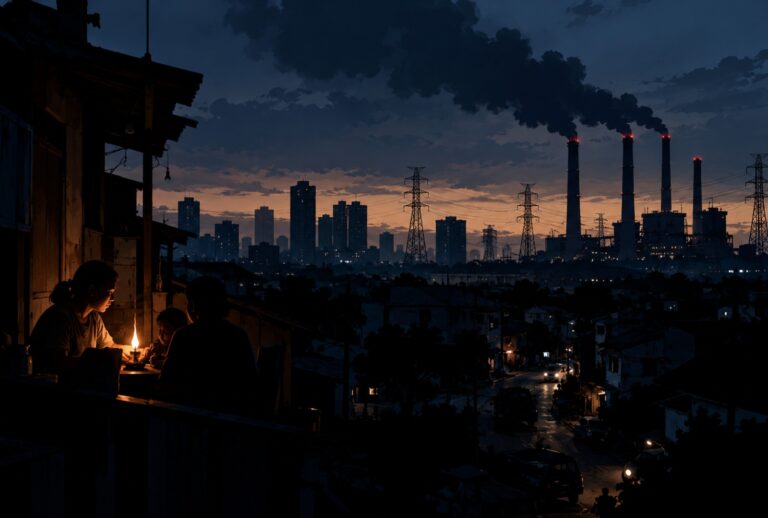
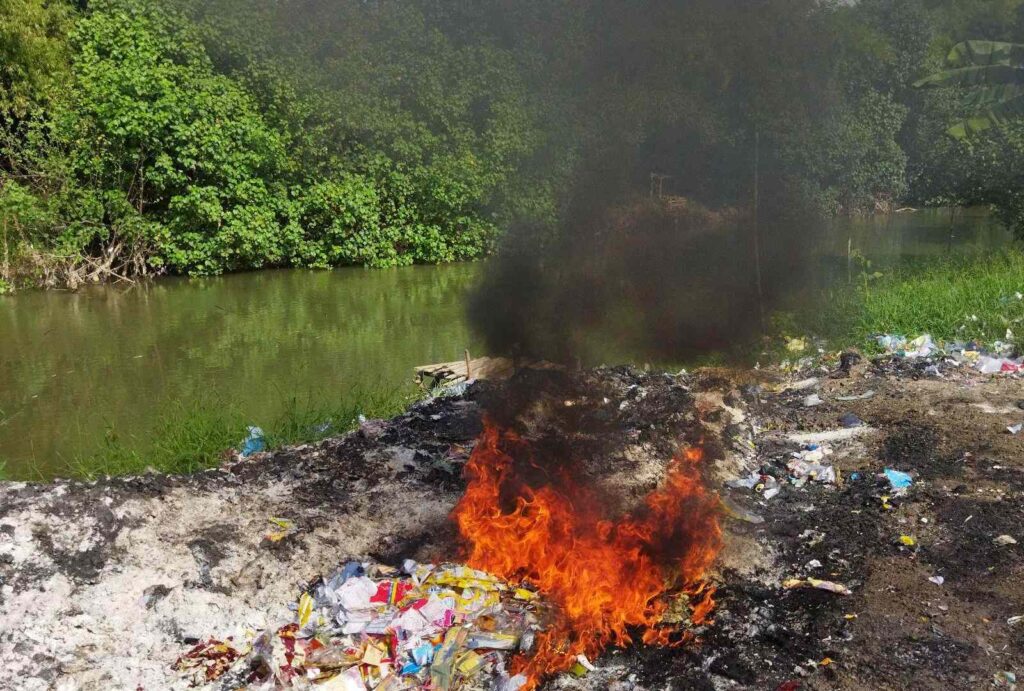
According to Indonesia’s Ministry of Health in 2023, 57% of Indonesians have a habit of burning waste. The smoke can carry fine particles and hazardous pollutants into the air we breathe. But if people do not burn their waste, where are they supposed to take it?
This question matters especially in villages and remote areas where waste collection services and facilities are inadequate. Waste is generated every day, while options for managing it remain limited. A report by the Lloyd’s Register Foundation (2024) suggests that waste-burning habits are influenced not only by access to collection services, but also by ideas about cleanliness. Waste is seen as something that must be removed immediately, making burning a quick and convenient option. This suggests that burning can become normalized, even in places where some waste services exist.
When Burning Becomes the Convenient Choice
Open waste burning can release fine particulate matter, such as PM2.5, and hazardous pollutants, including dioxins and furans. Depending on the type of plastic and burning conditions, it can also release microplastic particles into the air. The impact does not end when the waste disappears in the flames; pollutants can contaminate the surrounding air.
Research by ECOTON and the Society of Indonesian Environmental Journalists (SIEJ) found microplastic contamination in the air across 18 Indonesian cities. Microplastic pollution is therefore not only a problem in rivers and oceans, but also in the air we breathe.
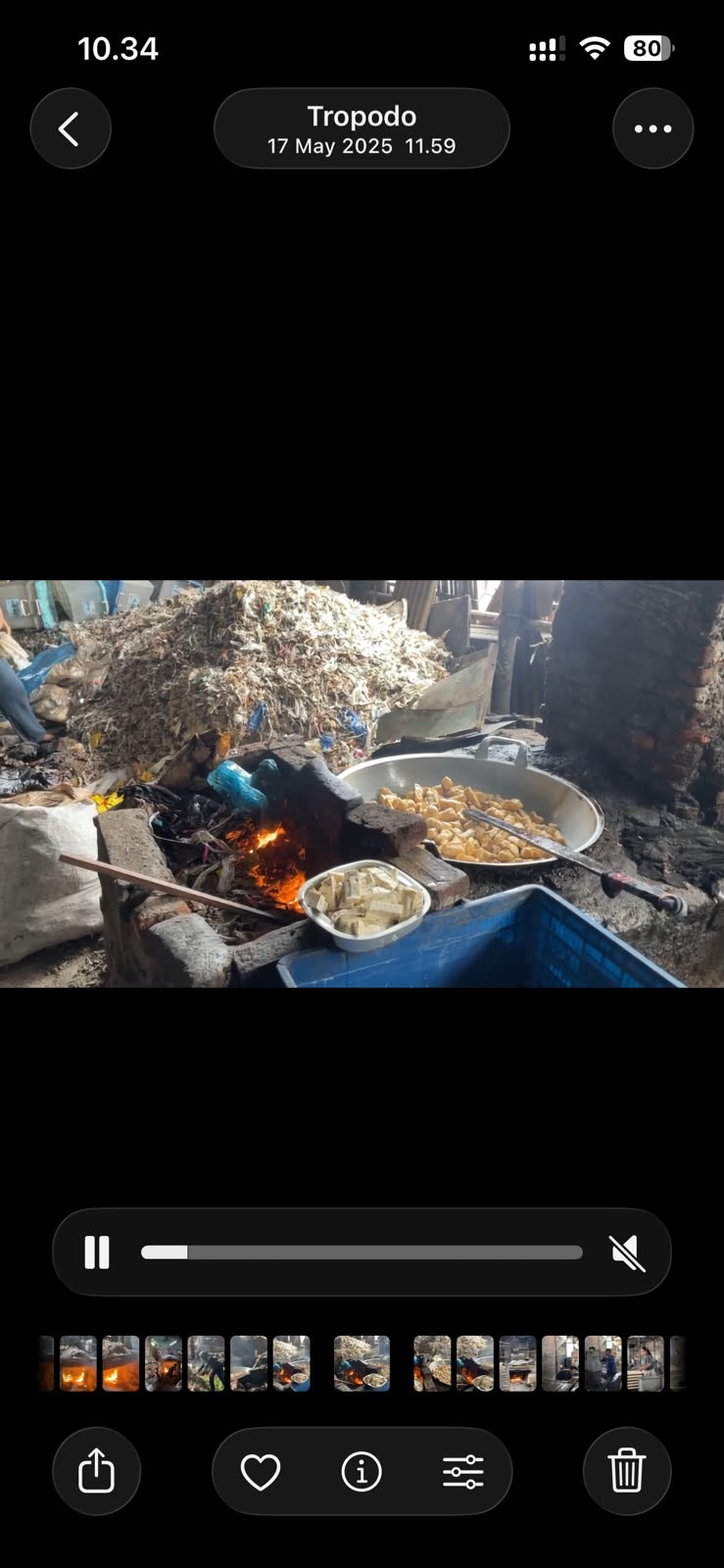
I remember visiting Tropodo, a tofu-producing area where plastic waste was used as fuel. Unlike household waste burning, plastic was burned there not simply to get rid of rubbish, but because it was considered a convenient fuel source. The experience showed me that waste burning has different causes. Household practices need to change, but production processes that rely on plastic waste also need safer fuel alternatives.
Calls to stop burning waste must therefore come with practical options. Communities need accessible waste services, while businesses using plastic waste as fuel need support and pressure to switch to safer energy sources. Local leaders and village governments can also help make agreements to stop burning waste. But those agreements will be difficult to sustain if residents have nowhere else to take their rubbish.
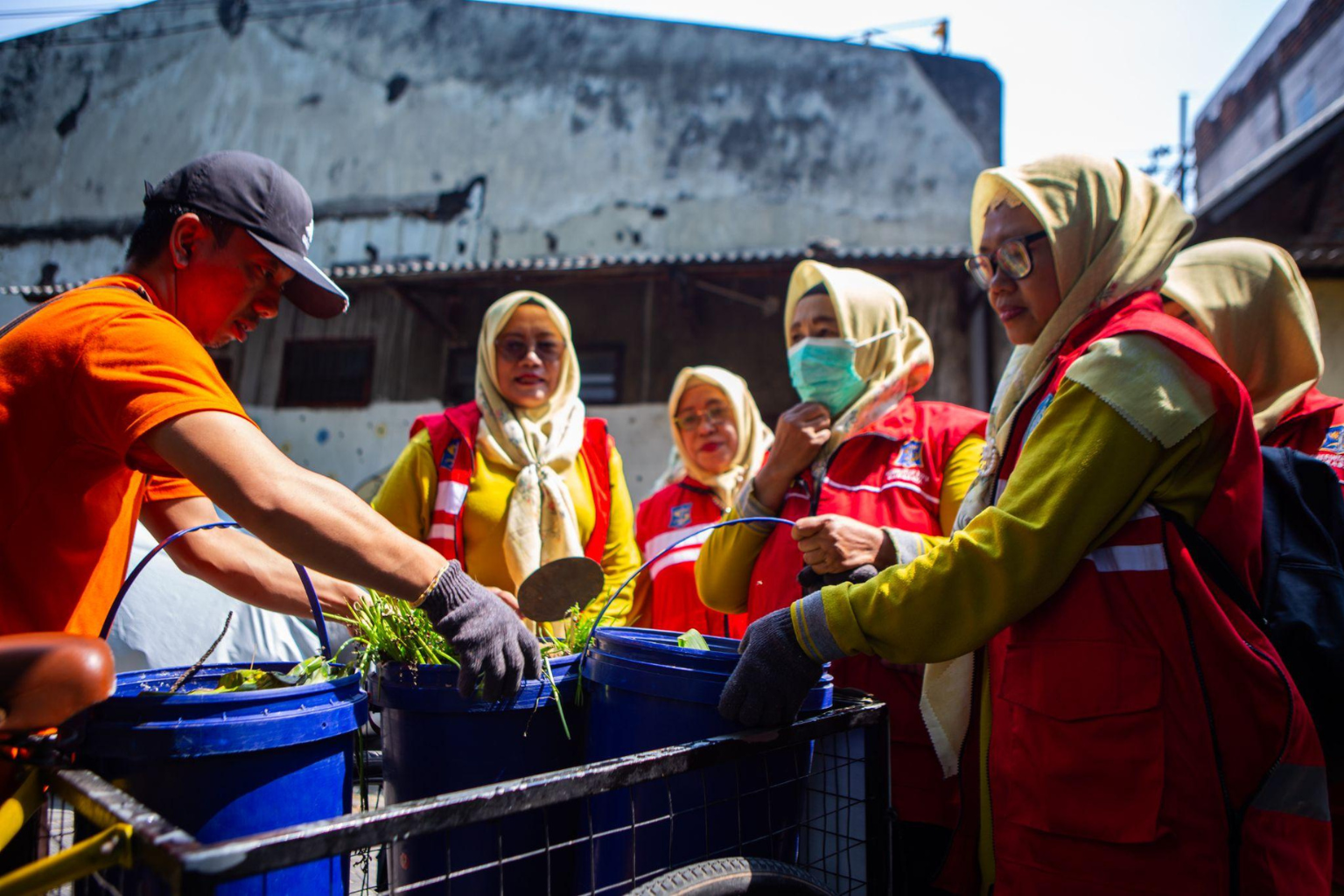
Community members work together on waste management in a neighborhood, processing organic waste as part of a local zero-waste initiative. | Photo: Fully Syafi
Kampung Zero Waste and More Choices for Communities
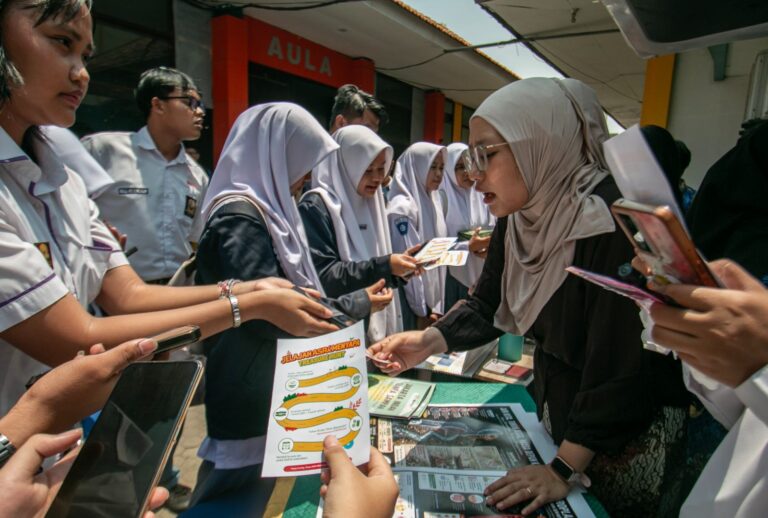
Kampung Zero Waste can be one way to address this gap. During my visit to Kampung Zero Waste in Simokerto, Surabaya, I saw how neighborhood-based waste management facilities can help communities handle waste closer to home.
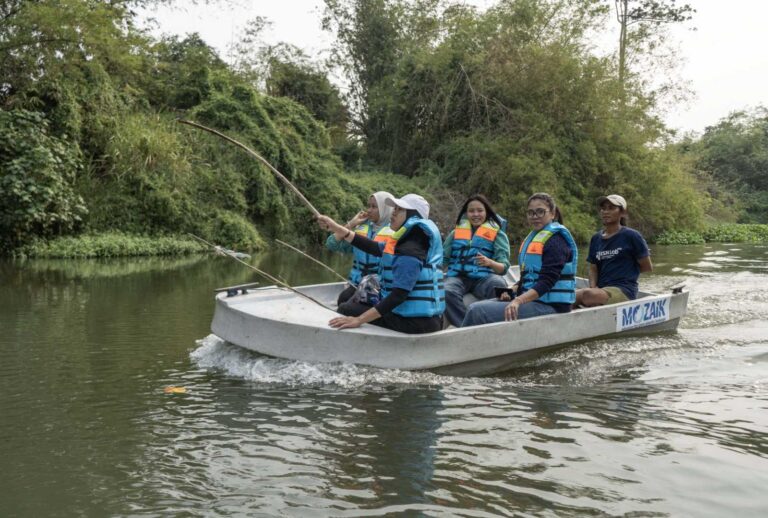
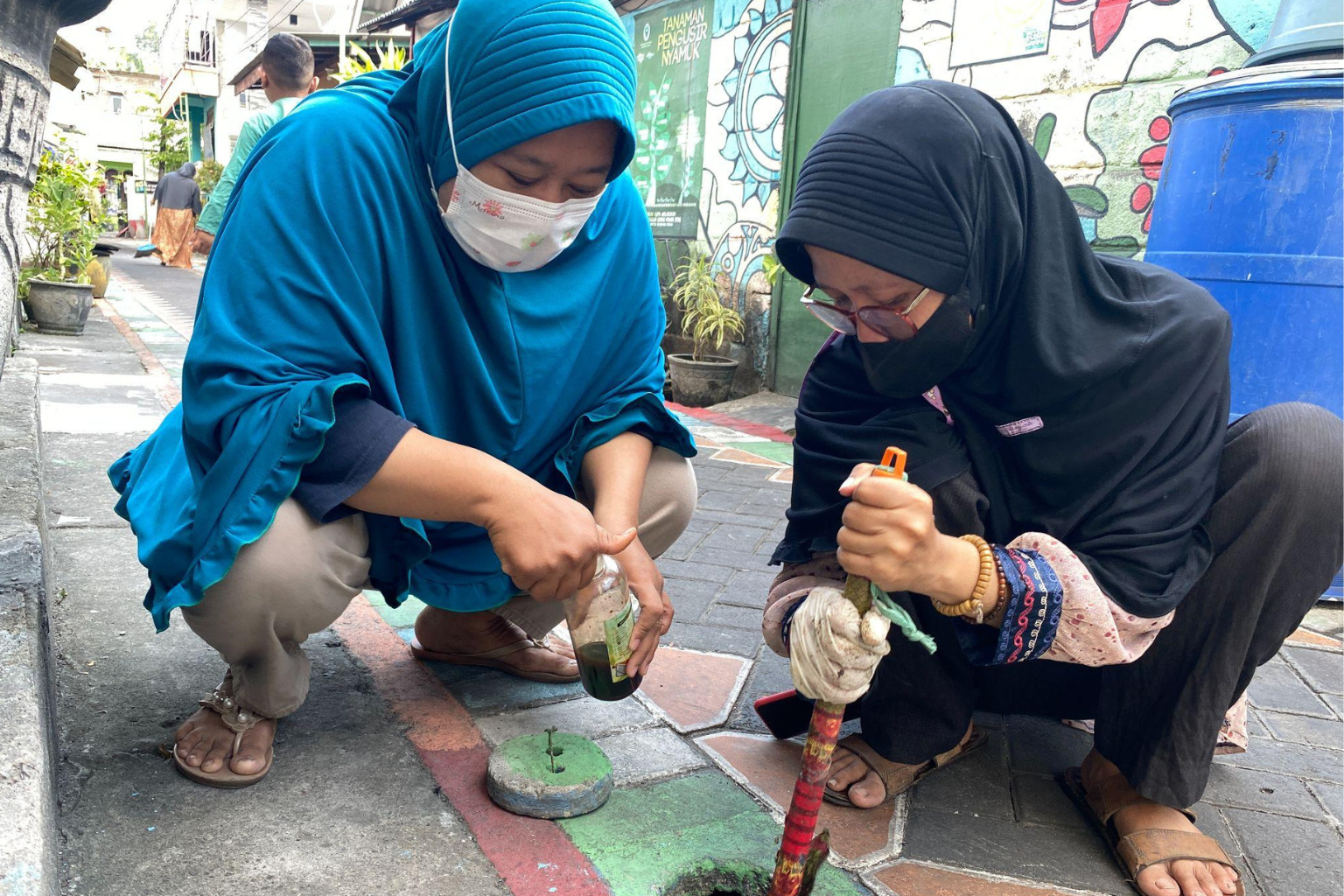
In residential areas near rivers, dumping rubbish into the water may seem easier when other options are inconvenient or unavailable. Providing accessible alternatives is essential to prevent waste from reaching rivers. Separating waste at home and using composting facilities can reduce the amount that needs to be disposed of. Organic waste can be turned into compost, while other materials need to be collected and sent to appropriate processing channels.
WhatsApp Channel · TitikTerang
TitikTerang hadir di WhatsApp
Dapatkan kilasan berita, analisis pedas, dan cerita ekologis ala TitikTerang langsung di WhatsApp-mu.
Gabung WhatsApp ChannelHowever, facilities alone do not solve the problem. Separated waste must actually be processed or sent to the right destination. Facilities also need people to manage them, operating funds, and a system that can function over time. The success of Kampung Zero Waste should therefore be assessed not only by the presence of facilities or residents’ participation, but also by whether the system works and reduces practices that pollute the environment.
Building a Sustainable Waste Management System
Community initiatives, including Kampung SIBA Klasik in Gresik, offer lessons in waste separation and organic waste processing. But for these efforts to last, waste management needs five connected elements: institutional arrangements, operations, financing, regulations, and public participation.
These elements depend on one another. A waste processing facility will have limited impact without funding or someone responsible for managing it. Likewise, residents’ efforts to separate waste can be undermined if the materials are later mixed together or have no reliable route for further processing.
Governments must ensure that waste collection, processing facilities, operational funding, and supportive policies are in place. Producers must also take responsibility for the waste generated by their products and packaging by reducing difficult-to-manage packaging and supporting collection and processing after use.
This responsibility cannot fall solely on communities. Not all households have the same time, resources, or access to waste services. Asking people to stop burning waste without providing workable alternatives leaves them with a problem but no practical solution.
Waste Solutions Are Also Climate Solutions
Waste burning, river pollution, and emissions from organic waste are connected to how waste is produced and managed. When services are inadequate, rubbish may be burned or dumped into rivers. Organic waste decomposing under anaerobic conditions in landfills can also release methane, a potent greenhouse gas.
GAIA’s 2022 report, Zero Waste to Zero Emissions: How Reducing Waste Is a Climate Gamechanger, examines how zero-waste strategies can help cities reduce greenhouse gas emissions. Reducing waste at the source, preventing open burning, and properly processing organic waste can help limit pollution and contribute to climate action.
For me, the challenge of building Kampung Zero Waste is not simply persuading people to change their habits. It is helping create a system that makes better choices possible.
Communities need accessible services and facilities, governments must provide consistent support, and producers must take responsibility for the waste their products create. With these responsibilities shared, reducing waste can protect the air and rivers while contributing to a broader response to the climate crisis. ***